
Can Hydrogen Fueled Cars Overtake Electric Vehicles?
Many governments, including our own, have been setting target dates for the enaction of legislation to ban the sales of new petrol or diesel vehicles. In the UK the cut-off date which includes new hybrids is 2035 and most other countries have similar dates. These actions are being taken to cut down the emission of harmful greenhouse gases such as carbon dioxide and methane as part of a commitment for the UK to be carbon neutral by 2050.
In common with most countries, the UK has encouraged motorists to switch from fossil fuelled internal combustion engine cars to those powered by electricity, often by offering financial incentives as encouragement. Electric vehicles however, are not the only option as an alternative to petrol and diesel and some major car manufacturers such as Toyota, BMW and Hyundai are spending huge sums of money on what they see as a viable second alternative to fuel cars with Volvo considering the same solution for trucks.
Hydrogen can be used in two ways to power a vehicle, neither of which emit poisonous greenhouse gases in the way petrol or diesel do. There are two kinds of hydrogen engines, hydrogen internal combustion engines and hydrogen fuel cell engines and both use the hydrogen fuel in different ways.
Hydrogen Internal Combustion Engines (HICEs) operate similarly to traditional gasoline or diesel engines. However, instead of using fossil fuels, they combust hydrogen to generate power. A hydrogen internal combustion engine mixes hydrogen with air which is then compressed in the engine's cylinders. A spark plug then ignites the mixture, causing it to combust, generating mechanical power. This power is used to drive the engine's pistons in the same way as a traditional fossil fuelled engine. These engines can be adapted from existing internal combustion engines, making them an attractive option for transitioning to a cleaner energy source.
Hydrogen Fuel Cell Engines (FCEVs) use fuel cells to convert a mixture of hydrogen and oxygen into electricity by creating an electrochemical reaction. This electricity then powers an electric motor and ultimately the vehicle. There are three types of fuel cells, Proton Exchange Membrane (PEM). Alkaline Fuel Cells and Solid Oxide Fuel Cells. The most common type of fuel cell used in vehicles are the Proton Exchange Membrane (PEM) fuel cells. These are fitted in what are referred to as fuel cell stacks in a hydrogen fuel cell vehicle. Stacks are made up of multiple individual fuel cells connected in series. In hydrogen fuel cell cars, a small battery is used to store energy from regenerative braking and to provide additional power during high load situations such as acceleration. This battery is much smaller than the one fitted to battery electric vehicles.
The technology required to build and operate hydrogen fuelled cars already exists with Toyota, Honda, Audi and BMW among the big hitters already producing them in small numbers. That leaves two major problems. Producing hydrogen in sufficient quantities and getting it into cars.
Hydrogen for hydrogen fuelled cars is increasingly produced by separating water into oxygen and hydrogen through a process called electrolysis, although there are other methods, such as methane gas reforming. However, as manufacturing capacity for larger, more efficient and cost-effective electrolysers grows, it is expected that costs of production will fall markedly, which would make electrolysis more commercially viable and therefore more widely used. As the percentage of renewable energy increases this would also make the process more environmentally friendly, as is the case for electricity generated to power battery electric vehicles.
Having produced the hydrogen fuel it then needs to be transported to a nationwide network of sites where motorists can fill their cars. Hydrogen is transported as a liquid under pressure in cryogenic liquid tanker trucks and is highly flammable, as is petrol or diesel, so it is no more dangerous to transport. Once on site the hydrogen needs to be stored as a compressed gas until it is sold to a motorist who will fill their car up at a pump in a similar fashion to a petrol or diesel vehicle. Filling up with hydrogen is much quicker than recharging an electric vehicle and when the hydrogen fuel is burned in a vehicle, it leaves only water vapour to be passed through the exhaust pipe.
On the face of it, it would seem that hydrogen could be an acceptable alternative fuel to petrol or diesel, either in fuel cell format or as internal combustion fuel. Both formats would be low, if not zero tail pipe emissions which in case we lose sight of the object of the exercise, is what we are trying to achieve by moving away from fossil fuels.
There are however a number of cons which may in reality more than balance out the pros. Firstly, there is the issue of cost. Hydrogen is expensive to produce relative to either fossil fuels or electricity and with production levels still very low, the cost of manufacture of hydrogen fuelled cars is higher than any of the other alternatives. The purchase cost of an electric vehicle is still markedly higher than its petrol alternative and a hydrogen fuelled car may be a step too far for the average motorist.
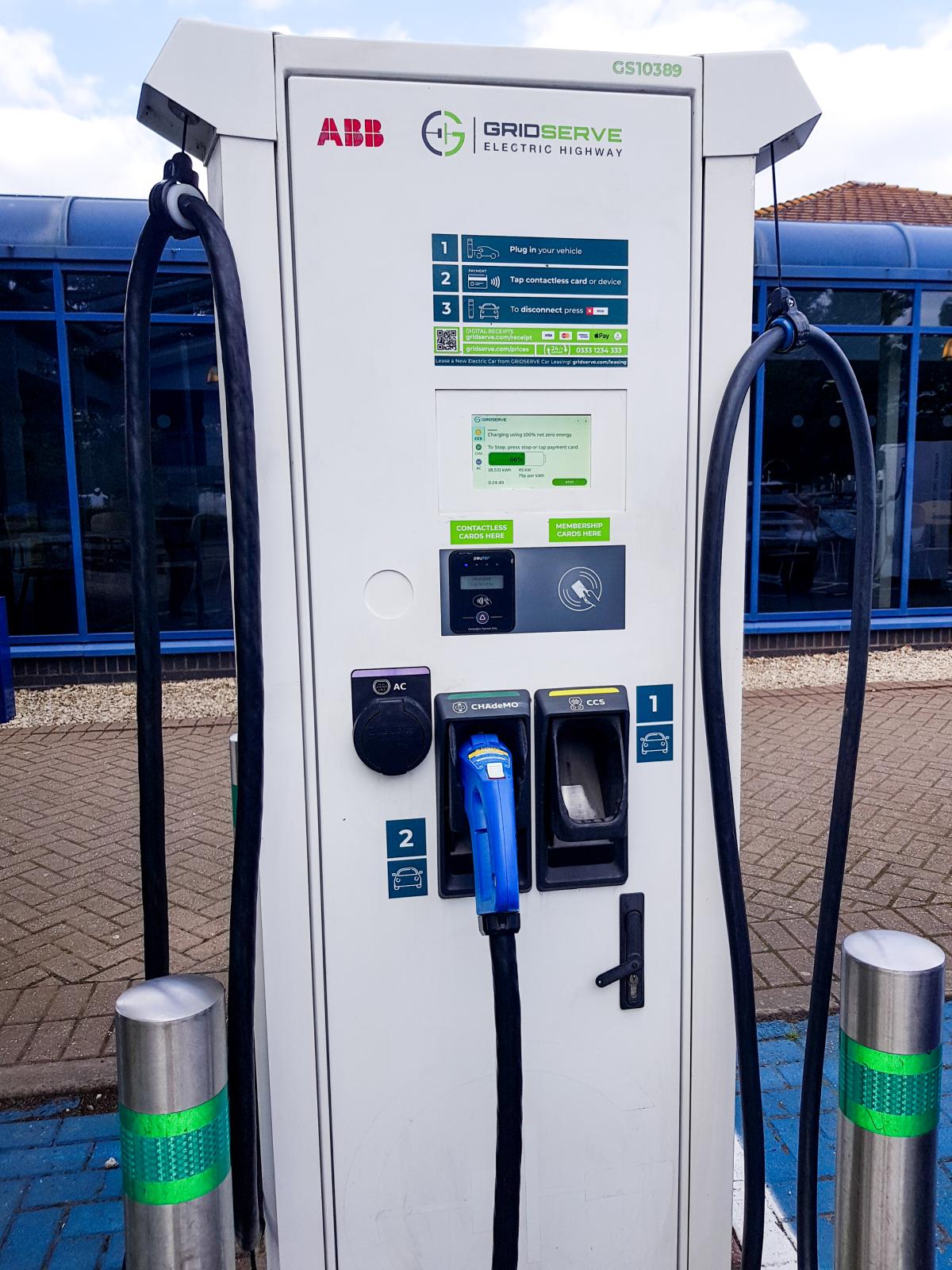
For the last few years, the biggest perceived problem with electric vehicles has been the availability of public charge points and it is only now that this problem is being resolved, as a result of massive investment into the charging infrastructure. That being the case it is unlikely that the effort and expense to provide enough public electric vehicle charging points would be replicated to provide a similar infrastructure for refuelling hydrogen powered vehicles. It is also debatable whether or not the motoring public would be prepared to take a chance on that infrastructure becoming available.
Set against the industry dilemma of what comes first, the car or the hydrogen fuel stations, it would be foolish to ignore the large sums of money that a number of high end car manufacturers are spending on development of hydrogen fuelled cars.
Do they know something we don’t? Maybe hydrogen fuelled cars will overtake electric vehicles.
If you are looking for help with any electrical issues, you may find some of these services useful: