
Let’s Talk About Lithium
One of the most significant changes in our daily lives in the 21st century is the shift from fossil fuels to renewable energy, accompanied by a greater reliance on "green" electricity. At the centre of this transition are lithium-ion batteries. Although these batteries have been used in smartphones, laptops, and other electronic devices for years—typically being recharged overnight—their role has evolved.
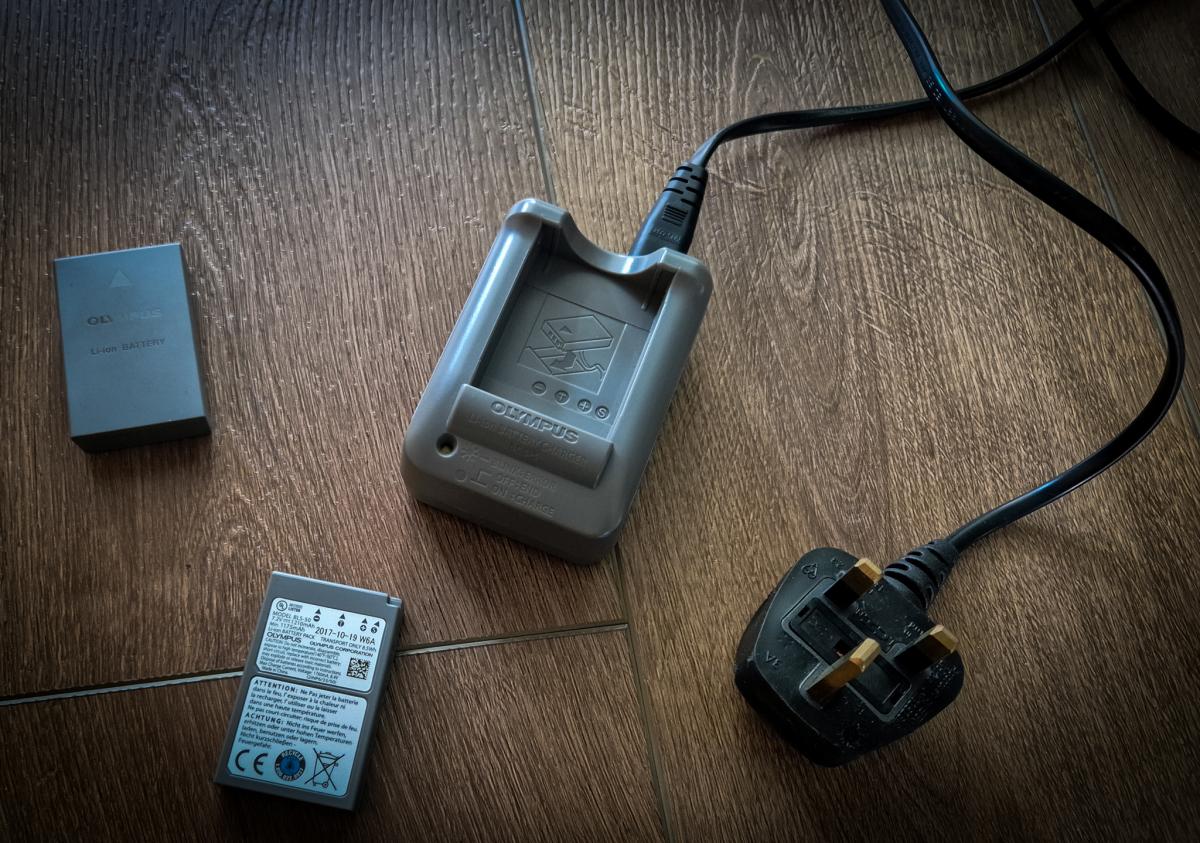
The electric vehicle (EV) has been a major game-changer, as it relies on lithium-ion batteries for power. These batteries are also essential for storing energy generated by renewable sources such as solar and wind, helping to ensure a more consistent and reliable power supply, even during times of insufficient sunlight and wind. As the use of batteries increases, so will the demand for lithium. But what exactly is lithium, and where does it come from?
Lithium is a silvery-white alkali metal found in rocks and ocean water. Like fossil fuels, lithium must be extracted to meet the growing demand for it. Currently, there are three primary methods of lithium extraction: hard rock mining, direct lithium extraction (DLE), and extraction from geothermal brine.
Hard rock mining is the most common and oldest method of lithium extraction, primarily used in Australia, China, Zimbabwe, Brazil, Canada and closer to home, Cornwall. This process involves mining lithium-rich spodumene ore from pegmatite deposits. After mining, the ore is crushed, concentrated, roasted, and leached to obtain lithium concentrate, much of which is then shipped to China for final processing.
While hard rock mining provides a steady supply of lithium, it generates significant environmental and logistical issues. The process requires large open cast mining operations to produce relatively small quantities of lithium, destroying habitats and polluting soil and water sources in the process. Additionally, the roasting and leaching stages are high-energy processes that emit large amounts of CO2. All these factors make hard rock mining an environmentally unfriendly method of producing lithium, which is intended to support a more sustainable, low-emission mode of transport. Extracting lithium from hard rock is a high-cost process which has an excessive environmental impact that requires a much higher energy usage than most alternatives. With growing concerns over CO2 emissions, land degradation, and sustainability, the lithium extraction industry is moving toward cleaner, faster, and more environmentally responsible solutions.
In contrast, traditional direct lithium extraction (DLE) from brine provides a much cleaner, more efficient alternative to mining, which causes less environmental impact. This method extracts lithium directly from brine sources or man-made evaporation ponds. While this method is less invasive than hard rock mining, it is water-intensive, and may still often lead to environmental damage, including habitat destruction and water pollution. It is a process which takes a matter of hours rather than the years taken by older direct extraction techniques, and as the demand for lithium continues to rise, direct lithium extraction offers a more sustainable and realistic option for lithium production.
Finally, lithium extraction from geothermal brine presents an even more environmentally friendly production method. This approach has the potential to further reduce the ecological footprint associated with lithium production. Unlike traditional methods, current geothermal power plants already pump hot, mineral-rich brine from underground reservoirs to generate electricity and by enhancing the existing process, lithium can be extracted from this same brine without further environmental disruption.
Geothermal plants pump hot brine to the surface to produce electricity, this is processed and reinjected into the reservoir. Before the brine is reinjected underground, lithium extraction technology is used to extract lithium from the brine leaving other minerals and water intact. The process uses renewable geothermal energy, which reduces carbon emissions. As the process utilises existing geothermal infrastructure, it eliminates additional emissions, removes the need for detrimental open cast mining and evaporation ponds, and causes no further groundwater depletion.
Lithium extraction from geothermal brine has many benefits. Unlike the other main lithium extraction process, its use of existing geothermal technology is carbon neutral and allows geothermal operators to generate energy and extract lithium from the same brine source, thereby adding another revenue stream to an existing process, thus increasing the profitability of the plant. Geothermal lithium extraction is already gaining momentum. As the demand for low-carbon lithium grows, this method of geothermal extraction will become key to meeting future demands for lithium.
Lithium is often referred to as “the new oil” as it has become one of the main components in the batteries which will power our vehicles which up until recently have been driven by petrol or diesel. As the demand for lithium grows, its importance to the economies of the main producing countries will grow. Brine deposits are primarily found in Chile, Argentina, and Bolivia, while spodumene and petalite are at present, found mainly in Australia, Canada, China, and Zimbabwe.
One of the main differences between oil and lithium is that lithium can be recycled and reused, repeatedly. On the other hand, oil as petrol or diesel, cannot be reused. Not all Lithium-ion batteries are recycled at present but this is changing as many of the metals used in them are classed as rare and are expensive. Small lithium-ion batteries can be dropped at local authority recycling sites or some supermarkets while larger ones from electric vehicles and energy storage systems will be recycled via specialized recycling facilities. Recycling and reusing lithium is at present more expensive than mining it, although that is being addressed by scientists and more cost efficient recycling will evolve in due course, because of the environmental impact of mining lithium.
As technology catches up with market demands we will soon be able to produce lithium in a more environmentally friendly manner. At the other end of the scale we should be able to recycle for reuse at a much more affordable cost.
If you are looking for help with any electrical issues, you may find some of these services useful: