
Managing Future Electricity Demand
It is widely accepted by world leaders that to effectively tackle the problem of global warming, we must make a concerted effort to shift from fossil fuels to renewable energy sources. Historically, burning fossil fuels for electricity has been one of the primary contributors to CO2 emissions, making it a significant factor in global warming. Continuing this practice is unsustainable if we aim to protect the ozone layer.
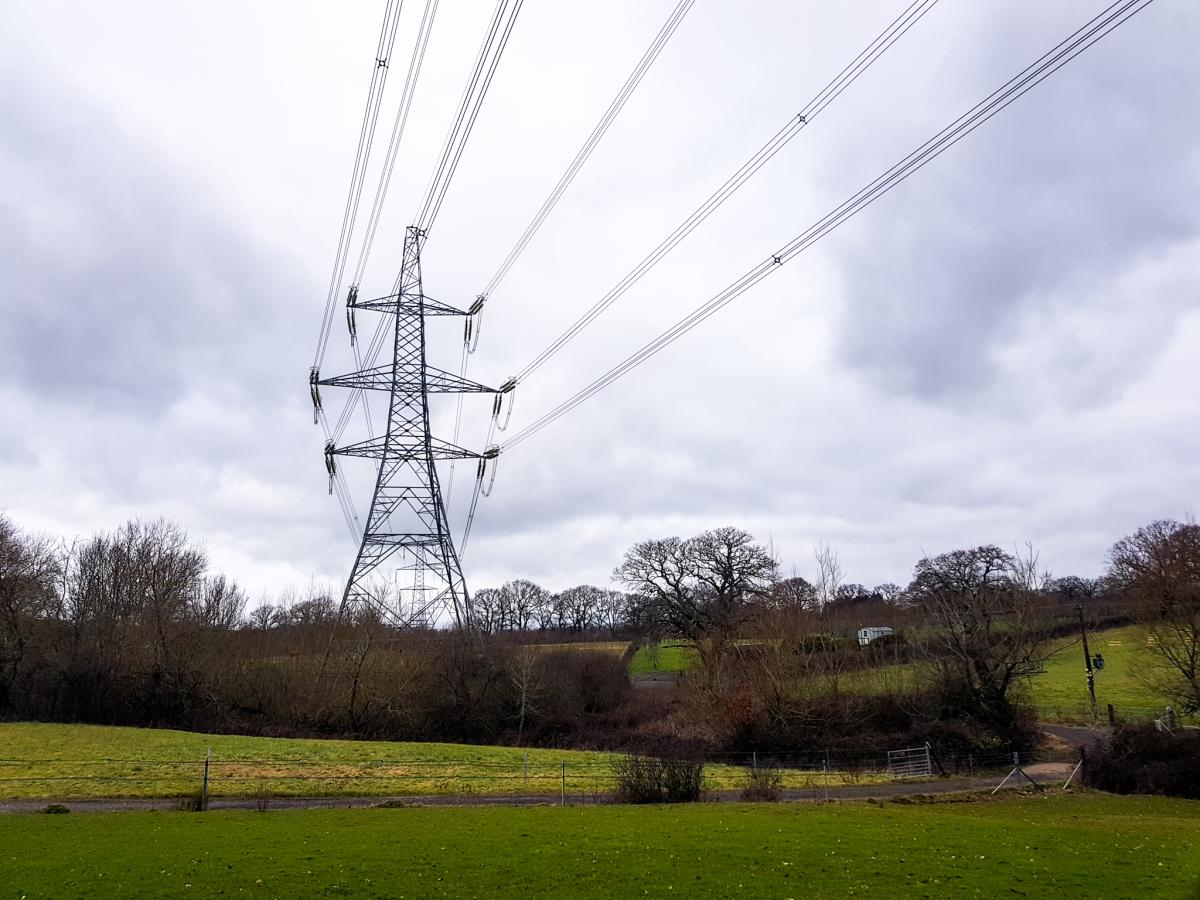
We are already witnessing a gradual but accelerating shift from petrol and diesel vehicles to electric cars, as well as a transition from gas boilers to electric heat pumps. These trends will likely lead to a doubling of consumer demand for electricity in the UK by 2050. This raises two important concerns, with the first being whether we can generate enough renewable energy to meet this substantial rise in demand.
In 2020, approximately 40.8% of the UK's electricity generation came from fossil fuels. According to figures from the National Grid, the UK’s transmission and distribution network, our current energy generation breakdown is as follows: Renewables – 42.6%, Fossil Fuels – 14.8%, and Others (including Nuclear and Biomass) – 26.8%. Additionally, we import 15.9% of our electricity from various European countries, primarily France, via underground and underwater interconnector cables.
The National Grid operates six interconnectors. These are large capacity cables that connect the UK to Europe. Two of these interconnectors connect the UK to France, while others link to The Netherlands, Belgium, Norway, and the most recent addition, Denmark. These interconnectors allow us to import electricity during periods of high demand, particularly when weather conditions in the UK are not favourable for peak generation. They also enable us to export excess electricity to Europe when their demand exceeds supply.
Currently, interconnectors facilitate connections between the UK and its European neighbours. However, with the rise of large offshore wind farms, the next generation of interconnectors is expected to connect clusters of these wind farms, creating offshore hubs for green energy that can link multiple countries. This approach would mimic the multi-platform infrastructure previously used by oil and gas producers in the North Sea, where interconnected platforms transported resources to the shore through a single pipeline. The interconnector concept was initially developed for importing and exporting natural gas between the UK and Europe.
It is unlikely that the UK will generate enough power from renewable sources to meet peak electricity demands, although we may be able to cope with demand during other times. The energy usage graph is not a straight line; it consists of a series of peaks and troughs that occur as demand increases or decreases. Troughs generally occur when most people are asleep and not using appliances, while peaks happen during the daytime when we consume more power at home and in the workplace.
Electricity generators can manipulate the amount of renewable energy they produce to some extent, but they cannot control when the sun shines on solar panels or how much the wind blows to turn the blades of wind turbines. This limitation means they may not be able to generate enough electricity from renewable sources to match demand at any given time. During peak demand periods, we would increase our total generation output using power stations, with nuclear stations being prioritized first, as they are classified as green energy producers rather than renewable sources.
As we continue to build our renewable infrastructure, we will have the capacity to generate more electricity—sometimes even more than is required by consumers during low demand periods. To avoid wasting this excess energy, we now have developing battery technology that allows us to store energy until it is needed.
The growth of the electric vehicle market has spurred significant research into better and more efficient battery technology. This innovation also benefits the power generation market by enabling the storage of excess electricity in larger and more efficient batteries, which can be released when demand increases. These batteries vary in size and storage capacity. Homeowners installing solar panels, for instance, can purchase small banks of batteries to store the energy generated by their panels. Meanwhile, some forward-thinking developers are looking to install larger banks of batteries for small housing developments to make them self-sufficient in electricity. Electricity-generating companies are now installing storage batteries on a much larger scale to draw from them during high-demand periods. Currently, lithium-ion batteries, used in mobile phones and electric cars, dominate the storage technology landscape. However, like the electric vehicle market, there is a likelihood that solid-state batteries will be adopted, which could significantly enhance storage capacity compared to lithium-ion.
The second concern is the potential for overloading the National Grid, which would affect the system’s ability to transmit enough electricity from generation points to consumers. This overload could result in power cuts and disruptions to electricity supplies.
Technological advancements have increased the capacity for electricity storage and improved the efficiency of many electrical appliances. As a result, we need less electricity to perform the same tasks. The UK’s peak electricity demand has actually fallen by around 15% since 2002. The National Grid is aware of the potential for outages caused by high demand and is actively working on upgrades and solutions to ensure the network can handle increased demand. Much of the UK's grid infrastructure is outdated and may not be able to cope without upgrades and improvements. However, the projected increase in demand is expected to be gradual, meaning the grid as it currently stands will not be overwhelmed by future peak demands.
It is also worth noting that much of the expected increase in power usage will come from charging electric vehicles. While public charging point accessibility and usage are on the rise, the majority of vehicle charging will be done using home chargers, which utilize cheaper overnight tariffs and are well away from peak demand times.
Overall, it appears that both electricity generators and distributors are aware of the anticipated increase in demand and are working to ensure they can manage it effectively. Along with locally generated power from solar roof panels and prudent management of power usage, we should be able to safely navigate our energy transition.
If you are looking for help with any electrical issues, you may find some of these services useful: