
Recharging EV Battery Technology
In 2017, the then Conservative government announced that a ban on sales of new petrol and diesel-fuelled cars and vans was to be introduced in the UK with a target date of 2040. In 2020, that target date was brought forward to 2030, only to be delayed to 2035 in 2023. In 2024, the newly elected Labour government announced plans to reinstate the 2030 ban amid an outcry from vehicle manufacturers who were not seeing the expected rise in demand for electric vehicles (EVs) from the motoring public.
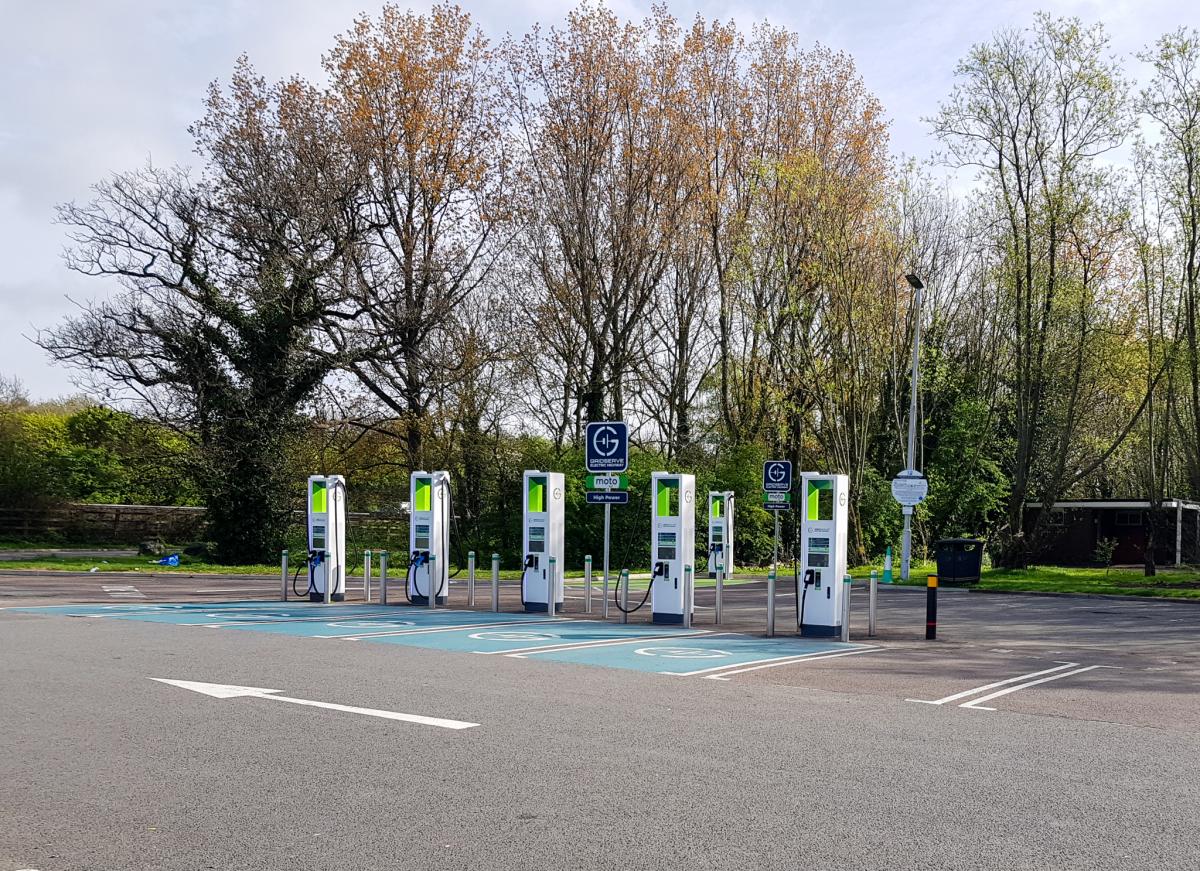
There are several very valid reasons for the slower than anticipated EV sales, range of vehicles available, cost, charging infrastructure and range being the most cited objections. Each of these is or has in the past been a legitimate concern, although slowly but surely, the pieces of the electric motoring jigsaw are falling into place. The price differential between petrol and electric vehicles is gradually shrinking, and as production numbers increase, which they must, manufacturing costs and, eventually, showroom prices will continue to fall. When EVs started to appear on our roads, there was a perception that there was nothing like enough public charging points to cope with the number of EVs that were anticipated to be coming onto the road. That is no longer the case. Public charge points are now much easier to find, and an ever-growing network of new charge points is being made available around the country.
Moving from one means of fuelling a vehicle to another is no easy task for car makers. In the switch from fossil fuels to electricity, a new supply chain with new technology and expertise to support that move has been required. Instead of designing and building internal combustion engines, the new supply chain has been required to develop new battery technology and then source the raw materials and expertise to manufacture them.
Electric vehicles, laptops, mobile phones and other electronic devices all use lithium-ion batteries using the same base materials of lithium, carbon, base metals such as aluminium, copper and iron, and precious metals like cobalt, nickel and manganese. An EV battery, however, is around 4400 times the size of a mobile phone lithium-ion battery, so it uses substantially more of the required materials. These metals are mined in various countries across the world, including Australia, China, North & South America, Indonesia, and the Democratic Republic of the Congo, which mines around 70% of the world's cobalt. In many of these countries, labour is cheap and dispensable, and much of the mining being carried out is hugely detrimental to the local environment.
Whilst appreciating that, for the time being, we will need to mine much more of these metals as we build more EVs, It would make sense to try to limit the amount of mining being done by making sure that we make the most of these natural resources. As the use of lithium-ion batteries increases, so will their recycling at the end of life. Almost all of the metals in these batteries are retrievable and recyclable, and recycling plants are now feeding the original mined materials back into EV batteries for the future. This process, however, is neither cheap nor particularly environmentally friendly. Therefore, we need to look at making batteries that individually use less of these metals and will last longer when in service.
EVs are not one hundred per cent environmental saviours, there may be zero tailpipe emissions of greenhouse gases, but there are some downsides to the batteries that provide the power instead of fossil fuels. Lithium and other rare materials used are finite resources, as are the fossil fuels they replace. Mining the metals used in the manufacture of lithium-ion batteries has in the past been linked with water contamination, air contamination as well as damage to local eco-systems. It is also worth noting that the non-eco side of mining lithium and the other metals used results in high carbon emissions while taking around 500,000 gallons of water to refine one ton of lithium.
A lithium-ion battery has three major components—the positive terminal or cathode, the negative terminal or anode and an electrolyte that separates the two. The electrolyte is a solution that allows electrically charged particles, referred to as ions, to pass between the two terminals.
One of the major technology shifts being awaited with much anticipation is the solid-state lithium-ion battery, which will bring faster recharging, better safety, and higher energy density by replacing the liquid electrolyte in the lithium-ion cells in use today with a solid separator. Solid-state batteries are just a few years away from being introduced to the mass market, with some major car manufacturers testing the batteries now for use in 2025 vehicles, while others have stated their aim of using solid-state cells in vehicles which will go on sale before 2030. They have the potential to enhance the range and performance of EVs significantly. Solid-state technology will make the batteries less expensive, lighter, and faster to charge. It will offer the capability of a 500 mile driving range between charges, eliminating the much talked about range anxiety.
Solid-state batteries can store more energy in the same space or battery weight, giving a choice between smaller batteries using less materials in their manufacture or more extended range for the same size battery. They are potentially safer than those using a liquid electrolyte because they don't leak and have less of a tendency to catch fire, and as an added bonus, they are much quicker to charge.
Batteries for EVs are still very early in their evolution, and we can expect to see significant improvements over the next few years in all aspects of electric motoring as the battery technology of tomorrow becomes the reality of today, bringing with it longer range expectations. With faster charging times and an ever growing network of public charge points housing rapid and ultra rapid chargers and maybe sooner than we think, we are going to remind our grandchildren of how we once poured gallons of a highly flammable liquid into our family cars.
If you are looking for help with any electrical issues, you may find some of these services useful: