
Standby for Energy Waste
Most of us are creatures of habit, we do certain things automatically, without giving them a second thought. As we finish our day’s work in our home office, we close down our computer or laptop and switch off the light. Before we go to bed at night, we reach for the remote and switch off the television, check the doors are locked and switch off the lights as we leave the room. Very often we may watch a little late night television before we go to sleep, switching the set off with the handy remote. We do these things daily, automatically, without a second thought, but maybe we should think twice.
Switching off our computers does not switch off ancillaries such as monitors, printers or shredders, all of which will be in standby mode if we do not take time switch them off. In the lounge, using the remote to switch off the television does not in fact switch it off, it only leaves it in standby. Similarly, our bedroom television is also not switched off and any electrical item left on standby will continue to draw power, using electricity and increasing our energy bills while we sleep.
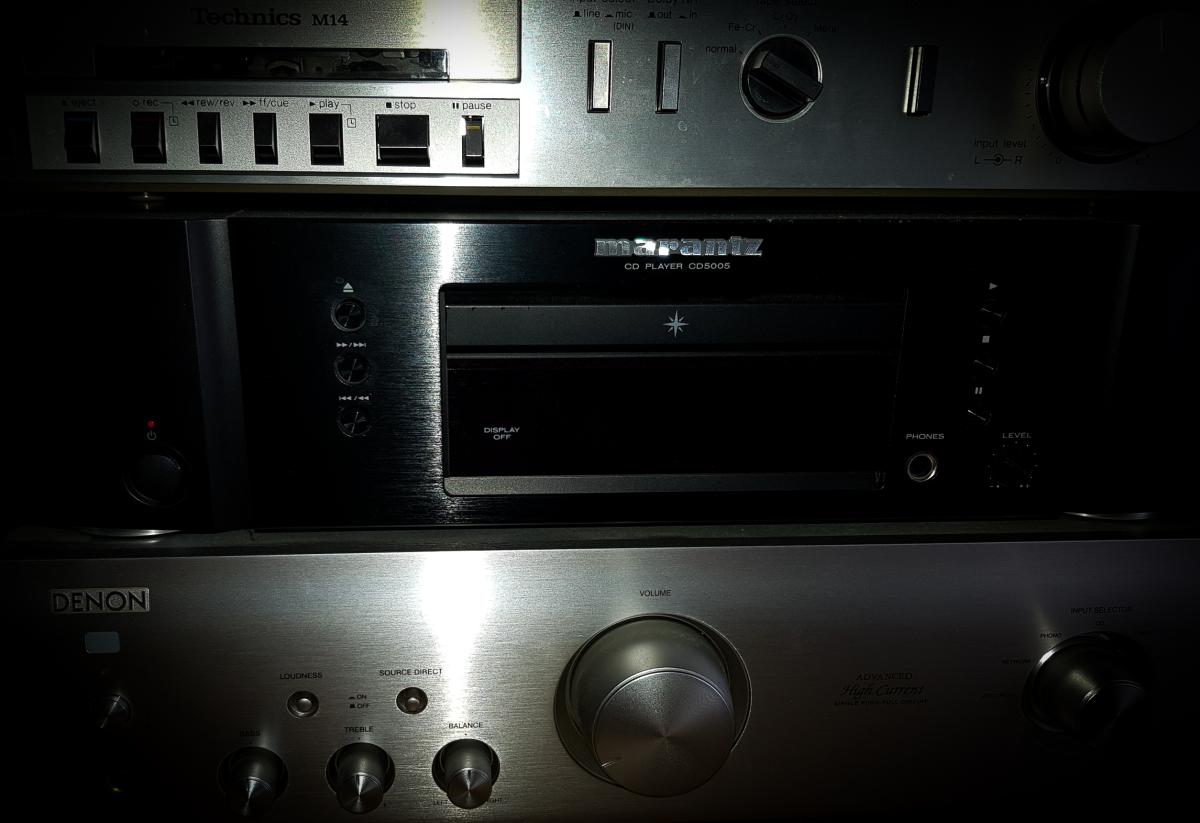
Turn off the lights in your lounge, kitchen or office at night, look into that darkened room and you may see an array of little red lights and digital clocks staring back at you. These are all evidence of what are referred to as vampire or phantom loads all of which suck money out of your wallet. Little red or green lights and digital clocks need electricity to power them and are indications that the appliances they are attached to are in standby mode and not switched off.
Every electrical device that is connected to a power socket will use a small amount of electricity. Leaving a mobile phone charger plugged in when you have finished charging your device uses power needlessly as does a computer and monitor. When a computer screen goes in to power saving mode it doesn’t stop using power it only reduces its consumption. Up until recently, a television on standby, in other words, switched “off” using a remote would use as much electricity as one which was switched on and in use. Technology has moved on now and a modern television will only consume a fraction of that power in standby, but it will still use power.
Not all electrical appliances are equal when it comes to vampire power usage. Devices whose purpose is to heat up or cool down something will use most power and have the potential to use power when not properly turned off. While we all recognise large domestic appliances such as washing machines, tumble dryers and electric heaters as heavy users of electricity, small devices can waste a great deal of electricity to vampire loads. Kettles and hair dryers are prime examples of this. It might be useful to not fill a kettle with water to make one cup of tea and savings can also be made by unplugging a hair dryer when not in use as one of these can be a drain on electricity if left plugged in when not in use.
In an ideal world, we would go round our home and unplug every electrical device we have when not in use and plug them back in as and when we needed them. The problem with doing that is that if you were to count the number of electrical devices, chargers and appliances in our homes you would understand why that is totally impractical as a daily routine and would soon fall by the wayside.
There are however, products on the market which can help us to manage our power usage and cut down on wasted electricity. The easiest and least expensive would be a smart plug which connects to one of your wall sockets and has the ability to switch any appliance connected to it on or off using its inbuilt timer.
At the other end of the technology spectrum is the Smart Wi-Fi Power Strip. This device is similar in configuration to a 4 or 6 gang extension lead which we are all familiar with but has a much more advanced capability. It has 4 or 6 outlet sockets all of which are independently switched and can recognise when the device which has been plugged into it has not been used for a pre-set length of time and cut the power supply to it. As well as the switched sockets smart Wi-Fi power strips many of them have built-in USB charging ports and most have Surge Protection as a built-in safety precaution shielding sensitive electronics and appliances against sudden power surges that can occur during weather storms causing irreparable hardware damage.
Top of the range smart power strips can be controlled from a remote or via an app on your phone. You may also be able to use voice commands with Alexa, Google Assistant, or Microsoft Cortana
Regardless of the configuration of the product you decide to buy, you will have the ability to cluster a number of devices which you tend to use in conjunction with each other but not necessarily all at the same time. If, for instance you have a home office with a computer, monitor, printer, and mobile phone charger, you would be able to plug all of these into your smart power strip and configure their time when they would be switched on or off.
Your computer could be switched on during the working day, the monitor likewise but if you take a lunch break the monitor might switch itself off. The printer would only switch on on-demand then switch off after a period of inactivity. A mobile phone charger need not be switched on constantly as it will only charge a device till it is fully charged but will continue to draw power, so it can be set to a period of time when it needs to charge, then switch off.
A similar exercise can be undertaken in the lounge with any audio visual equipment to further cut down on unnecessary electricity being drawn down by the power hungry vampires. All of which may seem small savings but if you can make small savings on a large number of electrical appliances and electronic devices, you will make noticeable savings over time.
If you are looking for help with any electrical issues, you may find some of these services useful: