
Unclear About Nuclear?
Technology is in a constant state of evolution. Think back to the first mobile phones, which were about the size and weight of a small brick and were supplied with a charger in a carrying case. Now mobile phones can be slipped into the palm of your hand or fit in a lady's handbag or a trouser pocket. A device originally designed simply to make telephone calls has become almost a micro-computer capable of a wide range of functionality.
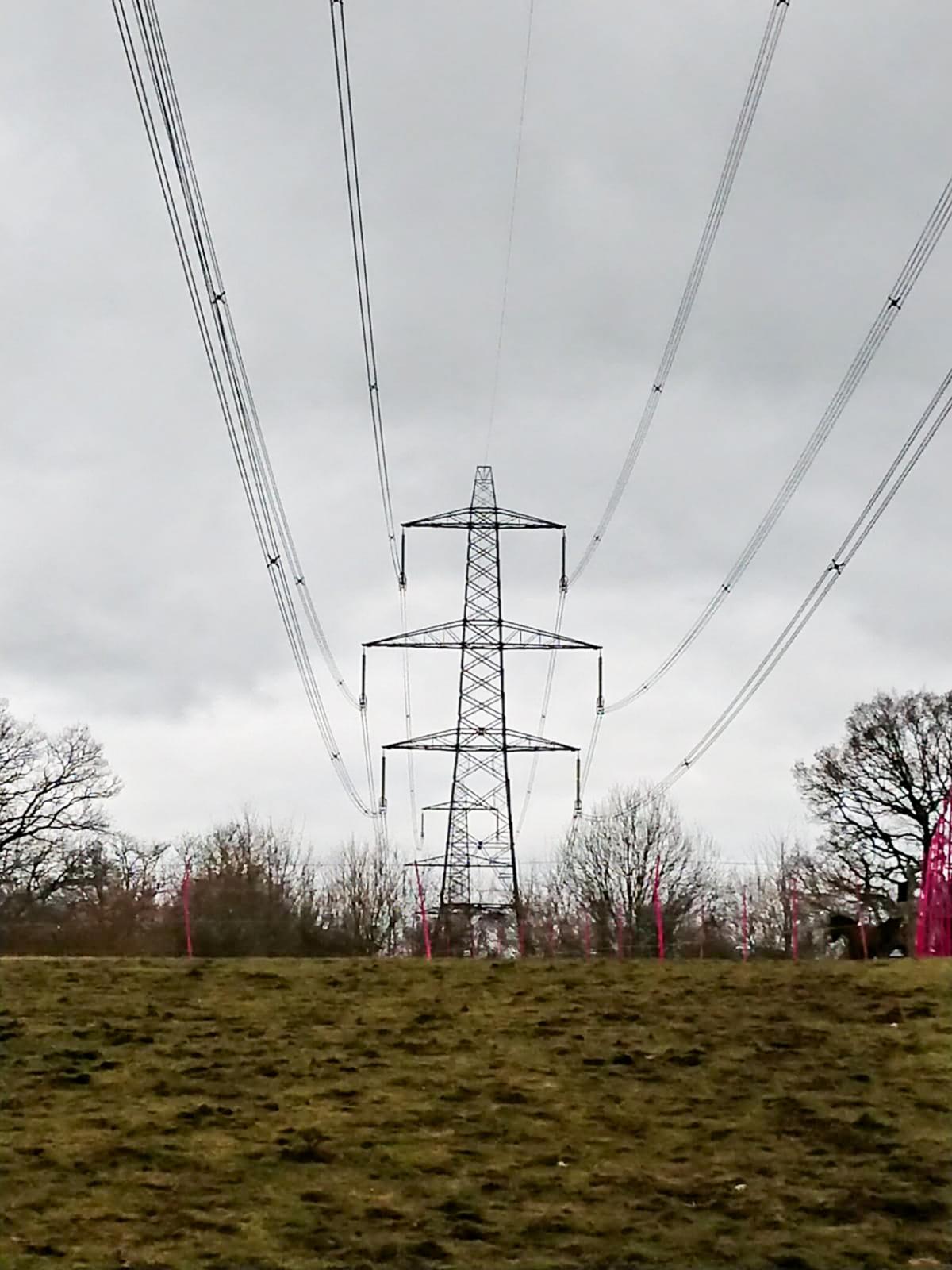
The nuclear power generation industry has gone through a very similar progression, with power initially generated only by huge conventional power stations that cost billions of pounds and took 5 to 10 years to build. As the technology of nuclear power generation has evolved, we have seen the arrival of firstly, Small Modular Reactors (SMRs), then Advanced Modular Reactors (AMRs) and now a Microreactor.
As the world’s demand for cleaner energy increases, nuclear power once again becomes part of the power generation equation, with supporters pointing to its low carbon emissions and high energy output. The energy released in nuclear fission is about 10 million times greater than that released when burning an atom of fossil fuel, meaning that it has an incredibly high energy density. The ability of renewable energy sources like wind and solar depends on the weather. Sunny, windy days produce more power than dull, calm days, while power generation overnight dips substantially. Nuclear energy, on the other hand, can produce power on demand and output can be increased to meet periods of high electricity demand.
Large conventional reactors are, as mentioned earlier, very expensive to build, to the extent that many governments would find the build cost prohibitive without the financial support of the private sector. Once commissioned, the operational cost of a large conventional reactor is relatively low in comparison to fossil fuelled energy generation, although given the high build cost, the payback period would be lengthy in comparison to solar or wind.
There are now other alternatives to large conventional reactors, although none of these will match the 700+MWatt output of the larger reactor. Small Modular Reactor (SMR) are advanced nuclear reactors that have a power capacity of up to 300 MWatt, which is about one-third of the generating capacity of traditional nuclear power reactors. A Small Modular Reactor which can typically meet the energy demands of around 500,000 to 1 million homes, can be factory manufactured and then shipped and installed on site. They can be used on locations not suitable for larger nuclear power plants, making them much more affordable to build than large power reactors, which are often custom designed for a specific location. This can often lead to lengthy construction delays and cost over-runs. A Small Modular Reactor
Advanced Modular Reactors (AMRs) are often based on next-generation designs and fuels, such as high-temperature gas or molten salt reactors. These are also small, with a lower power output, generally under 50 MWatt depending on the design. They are factory built and assembled on-site, using the same modular principles as a Small Modular Reactor (SMR). The design of these offer advances in safety and efficiency, along with a wider range of applications beyond electricity generation.
Advanced Modular Reactors operate at much higher temperatures, typically 500°C to 950°C, in comparison to existing light water reactors which operate at around 300°C. As well as generating electricity for the national grid, their higher temperature output can be harnessed as a heating medium for industries such as chemical plants or other process industries as well as domestic heating.
Micro Nuclear Reactors are small, transportable nuclear fission reactors which will generate up to around 20 MWatt. They are factory-built and can be easily transported on the back of a truck, by rail or air. They provide both power & heat, are easier to deploy, and offer a robust alternative to diesel generators for off-grid needs to deliver energy to remote communities or on temporary military bases. They also can be deployed by helicopter to provide power and heat to aid in disaster relief, where there is no access by road. A Micro Nuclear Reactor can offer reliable source of electricity and heat for decades without the need for refuelling and can be retrieved when no longer required.
There have always been concerns over the safety aspect of nuclear reactors, the two main ones being the possibility of radioactive leakage, particularly in the wake of incidents at Chernobyl, Three Mile Island, and Fukushima. The other being the perceived risk of radioactive materials from reactors falling into the hands of terrorist groups. The three power plants referred to above, were old plants, built to old designs and safety standards which would no longer be acceptable in today’s safety conscious industry.
Power grade uranium such as is produced in modern nuclear power plants would not be suitable for the manufacture of weapons. Highly enriched uranium used for power generation, contains 20 percent or more uranium-235. Weapons-grade on the other hand, is typically enriched to above 90 percent uranium-235.To further enrich power grade uranium to make it usable for weapons manufacture might be feasible but realistically improbable due to the large quantities required, to say nothing of the expertise requires. Further enrichment on this scale is a task which would require to be done by a government rather than an organisation.
As we are being driven away from fossil fuels and encouraged to use greener sources of power generation, there is a growing realisation that with the extra demands on our “green” power generation capacity, we may not be able to generate enough usable electricity from wind and solar sources to meet the peak demands we will see in our power usage.
Nuclear power generation is now becoming recognised by governments across the world as a necessary component in our “green” power generation solution. Countries such as Japan, China, India, South Korea, Malaysia and Ghana as well as several European countries are now joining established nuclear power users in sharing their nuclear ambitions and proposed use of small nuclear reactors with their neighbours and the rest of the world.
If you are looking for help with any electrical issues, you may find some of these services useful: