
EV Evolution
Electric vehicles (EVs) are here to stay. While the first models appeared in the '90s, they remained a rarity on UK roads until about five years ago, when mass production began. Today, there are over 1.5 million fully electric cars in the UK.
The proportion of new cars that are electric has been steadily increasing, reaching 19.6% in 2024. This growth has occurred despite successive governments removing grants and discounts for new electric vehicles and home chargers. The UK government has set ambitious targets for EV sales, aiming for 28% by 2025. However, this target may not be met unless we see a surge in EV sales in the latter half of this year. The government’s newly announced electric car grant could save you up to £3,750 and details of EVs which will be eligible are to be released on 11 August.
The shift towards electric vehicles has been driven by concerns over global warming and CO2 emissions from the burning of fossil fuels in internal combustion engines. As with any major change in technology or lifestyle, there are advocates for the switch who emphasize the benefits, while there are also those who resist the change and question its perceived advantages.
Transitioning from fossil fuels to electric power for our vehicles comes with both benefits and drawbacks. This shift is more of an evolution than a revolution, meaning that certain drawbacks observed a few years ago are gradually diminishing.
Initially, first-generation electric vehicles were significantly more expensive than their petrol or diesel counterparts. Today, while price differences still exist, they are not as pronounced, making EVs more affordable. Additionally, a good range of used EVs is now available, providing a cost-effective alternative. As the number of EVs on the road has increased, so has the variety of models, with EV-only manufacturers like Tesla and Polestar facing stiff competition from mainstream car manufacturers. As production of EVs rises, the cost per vehicle is expected to decrease, potentially leading to lower showroom prices.
The technology in modern EVs is also evolving. Battery manufacturers are exploring new materials and structures, such as solid-state batteries and lithium-sulphur batteries, which may eventually replace lithium-ion batteries. However, these alternatives are still in the early stages of development and are not yet commercially or technically viable for use in EVs.
Electric vehicles do not have exhaust systems, as they produce zero emissions of harmful greenhouse gases. However, the manufacturing process of the batteries that power them is energy-intensive and generates high volumes of CO2. Additionally, environmental concerns surrounding lithium mining complicate the justification of the overall environmental impact of EVs.
While it is true that, until now, producing batteries for electric cars may have had a larger environmental footprint compared to the emissions caused by conventional vehicles, advancements in battery technology and lithium sourcing are changing that. A higher percentage of lithium is now being extracted from brine rather than through traditional mining techniques. Many experts believe that solid-state batteries represent the future due to their potential for higher energy density and faster charging capabilities. Additionally, alternative battery chemistries such as lithium-sulphur and sodium-ion are being explored, which will help reduce the environmental impact of electric vehicle (EV) battery production in the short to medium term. Furthermore, lithium can be reclaimed and reused from old batteries, which will alleviate the need for new lithium supplies in the long run.
From a cost perspective, EVs are cheaper to operate than traditional piston-engine vehicles. Owners of EVs can benefit from an EV tariff offered by most energy suppliers, making electricity more affordable than petrol or diesel. The amount of energy required to run an EV is generally less than what a conventional combustion engine vehicle needs. Due to having an electric motor with fewer moving parts, an EV typically requires servicing every two years rather than annually. Additionally, EVs do not require oil changes, and since some braking and deceleration are managed by the electric motor, they tend to experience less wear on brakes compared to fossil-fuel vehicles.
Electric cars also produce significantly less noise than conventional vehicles, thereby reducing noise pollution. The quiet operation of EVs contributes to a more comfortable driving experience, but it also means that pedestrians may not hear them approaching. Consequently, EV drivers need to be particularly vigilant in urban settings, as pedestrians may inadvertently step out in front of an EV due to its silent presence.
For driving enthusiasts, EVs can be exhilarating to drive because their motors deliver power with impressive torque. This characteristic allows them to accelerate quickly from a standing start, and their low centre of gravity contributes to their agility on the road. Most EVs offer the option to switch between ECO, NORMAL, and SPORT modes, allowing drivers to tailor their experience with the flip of a switch.
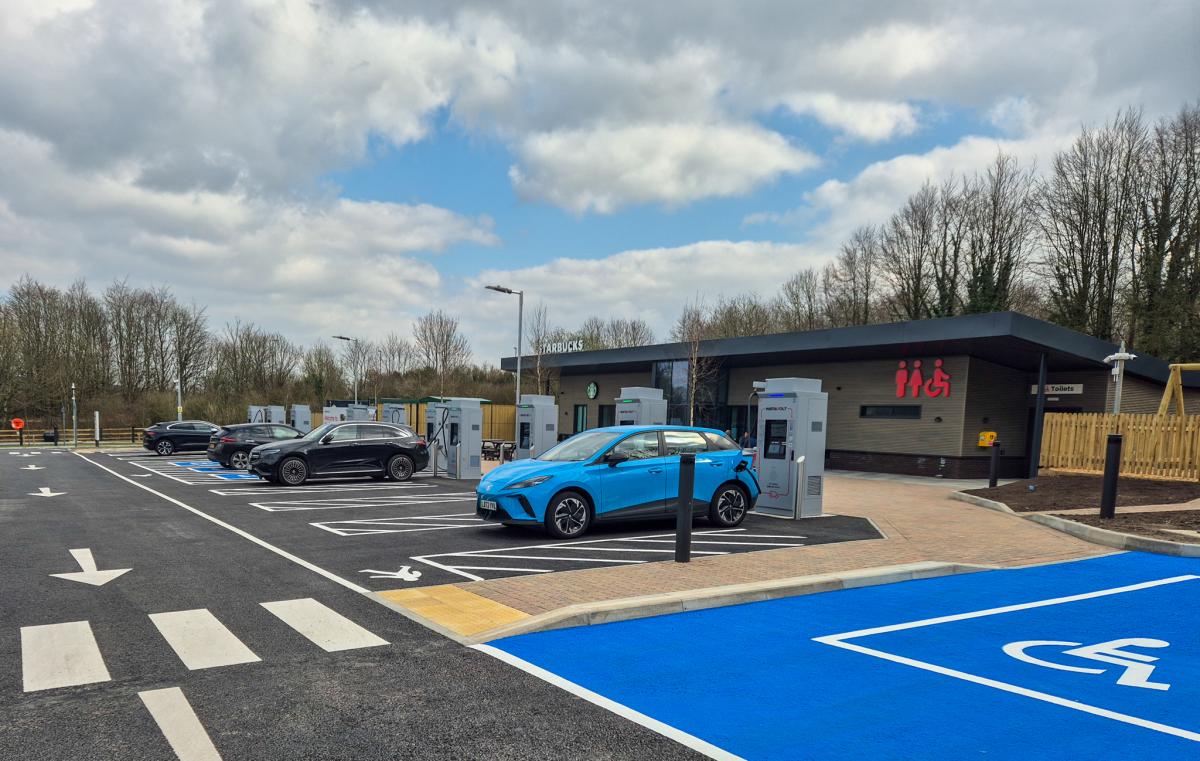
The availability of public charging points has been a hot topic among drivers, but this aspect of EV ownership is evolving. As of the end of June this year, Zapmap reports that there are 82,369 public charging points in the UK, with 8,670 installed in the past year alone—indicating a 30% growth in the public charging network.
While there are still areas where finding a charging point can be challenging, the situation is improving over time. Battery technology advancements are introducing EVs with much longer ranges than before, many of which exceed 300 miles and can expect charging in significantly less time.
The appearance of EVs has also undergone a major transformation. Early EVs were not often seen as stylish or visually appealing, with a few notable exceptions. However, this perception has changed dramatically in the past two years. Modern EVs are sleek and stylish, often more so than conventional vehicles. Their exterior design and interior quality, including instrumentation and infotainment systems, are attractive to discerning buyers. As a result, EVs are rapidly becoming desirable vehicles—the car of the future that people actually want to drive, rather than just viewing it as a necessity to save the planet.
If you are looking for help with any electrical issues, you may find some of these services useful: