
To EV or Not To EV?
Former Prime Minister Theresa May’s government, were the first government to introduce a UK ban on new petrol and diesel car sales in 2017 when they announced an initial target date of 2040. This date was brought forward to 2030 by Boris Johnson’s government in 2020, then delayed to 2035 by Rishi Sunak. The most recent change of policy has seen the 2030 target restored by the present government in 2024, for the sale of new petrol and diesel cars, with new hybrid sales still expected to be phased out by 2035. This means that as of now, you have four years to save up for one last gas guzzler before you are consigned to that electric car (EV) that you have resolutely refused to own.
With the exception of a gradually diminishing number of dedicated petrolheads, resistance to owning an EV is generally based on two main factors. Anxiety over the range of the vehicle and cost issues, but are these concerns legitimate or misconceptions which are becoming as outmoded as the internal combustion engines we are about to consign to the past.
Early mid-range EV models were credited by their manufacturers with having batteries capable of powering them for around 200 miles. This would be seen to lessen as the batteries deteriorated over time, bearing in mind that most EV batteries come with a 10 year warranty. Balance that with the fact that, post Covid, around 70% of Britons drive less 20 miles per day, which equates to 7,100 miles a year. Even at pre pandemic levels, a suggested average completed mileage in the UK of 12,000 could be undertaken over 364 days at a rate of 33 miles per day.
Given the present average mileage of 7,100 per year it would suggest that around 70% of UK drivers could complete their weekly travel of 136 miles without undue concern. Even allowing for the fact that the projected mileage of an EV is less than stated by the brochure due to some of the available battery power being used to operate other aspects of the journey, such as radio, windscreen wipers, lights etc. EVs driven in an urban environment will use less battery power than those using faster roads such as motorways, as the start/stop of city driving engages regenerative braking which allows a certain amount of power to be returned to the car’s batteries.
The range of an EV depends on model, battery size and whether most of the driving is urban, longer distance, or motorway driving, but modern mid-range EVs can be expected to return an average of around 300 miles per charge. As battery technology continues to advance, a growing number of top-of-the-range EVs are now able to achieve in the region of 400 miles between charges, which is very close to the distance a fossil fuelled car will travel between refills at the pumps.
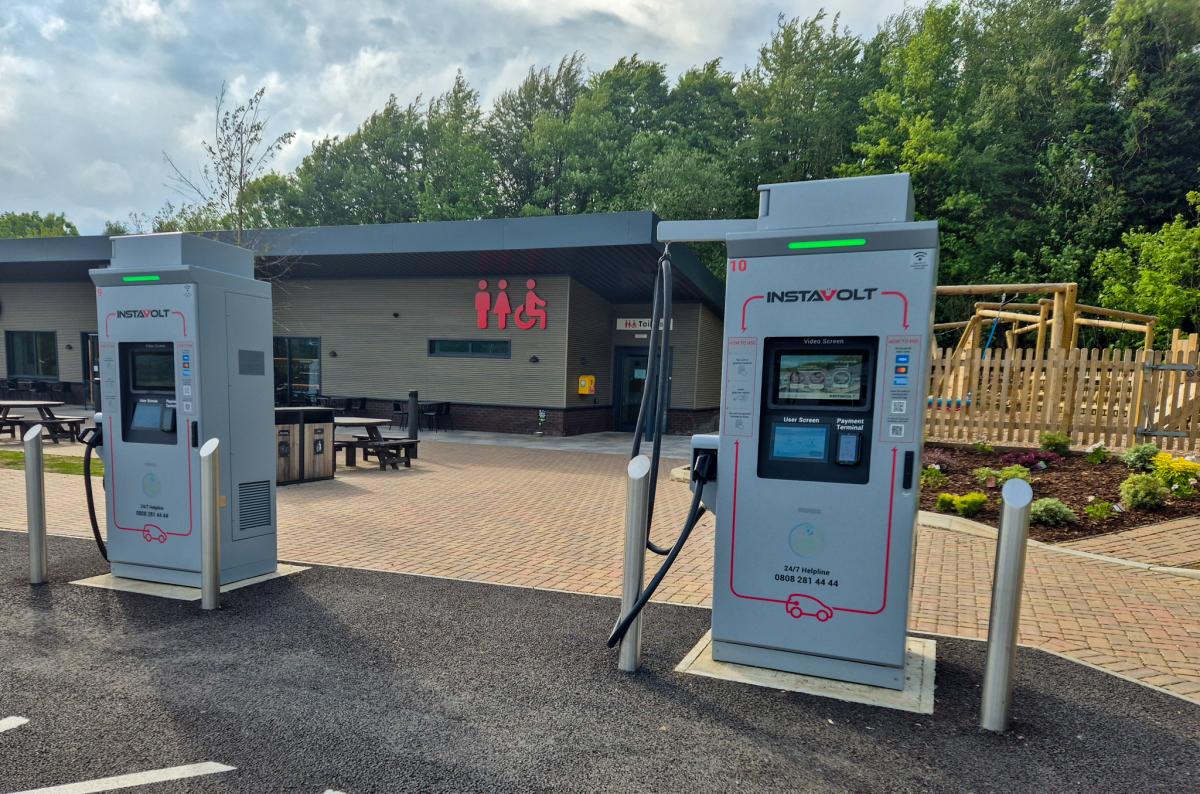
The majority of EV drivers will charge their vehicles at home, but for those who travel longer distances, Zapmap tell us that as of the end of February 2026, there were 118,321 EV chargers in the UK with just over 1,500 added to their database in the past month. This growth will ensure that as new fossil fuelled cars disappear from the showrooms, there will be a robust infrastructure in place to service the charging needs of our EVs.
The comparative price tag on a new internal petrol or diesel vehicle and an EV were also an issue for anyone looking to make the switch. Published figures say that 40% of UK drivers said that purchase price of an EV was one of their biggest concerns about switching. In 2020 the showroom price of an EV was 50% higher than its fossil fuelled counterpart. That has now dropped to just over 20% with government grants of either £3,750 for a Band 1 vehicle or £1,500 for a Band 2 car. A list of these Bands and cars can be found at https://www.gov.uk/plug-in-vehicle-grants/cars .
Insuring an EV can cost around £120 more than cover for a petrol or diesel version on the same car, although once again this differential may lessen as insurance companies gain more experience of having an EV repaired. Servicing and maintenance on the other hand will be generally cheaper for an EV, largely due to the number of moving parts in an EV being around 1% of that of an internal combustion engine. This not only reduces the likelihood of faults developing, but means that EV servicing is also simpler and less expensive, as tasks such as oil and filter changes and timing belt replacement are no longer required. This being the case, most manufacturers only recommend a service every two years rather than annually.
Vehicle Excise Duty or Road Tax is very much a “watch this space” item at present with major changes to all vehicle tax and a new “pay per mile” tax to be introduced in 2028. Governments in the UK raise billions of pounds every year on fuel tax, but with EVs not using fossil fuel this would be an unaffordable loss to the UK treasury, so the government has announced a three pence per mile for EVs to help to compensate. This would still see a lower cost to EV drivers than the duty paid on fossil fuels for a similar journey.
The resistance felt by new car drivers has also been felt by motorists looking to buy a second hand vehicle and as a result the second hand EV market has historically been slower than conventional car sales. This situation maybe exacerbated by the fact that battery technology is being seen to evolve and ranges as a result, are lengthening. This is undoubtedly causing a growth in confidence in owning and driving an EV and helping to cut the differential between the percentage depreciation between EVs and conventional fuelled cars.
It is also becoming more accepted that EVs are not slow and sluggish to drive. Due to the fact that an internal combustion engine delivers maximum power at high revs, which takes time to achieve and an electric motors delivers immediate full power, they are in fact very responsive and exceedingly quick from a standing start.
An electric motor is also much quieter that an internal combustion engine and an EV has no gear changes to worry about, meaning that they are less tiring to drive on a long journey and easier to drive in heavy urban traffic. Whether we like it or not, EVs are the future of motoring, they are not a backward step, they are a step into the future and rather an enjoyable one at that.
If you are looking for an electrician you may find these services useful: